



My 2026 Radio Wishlist
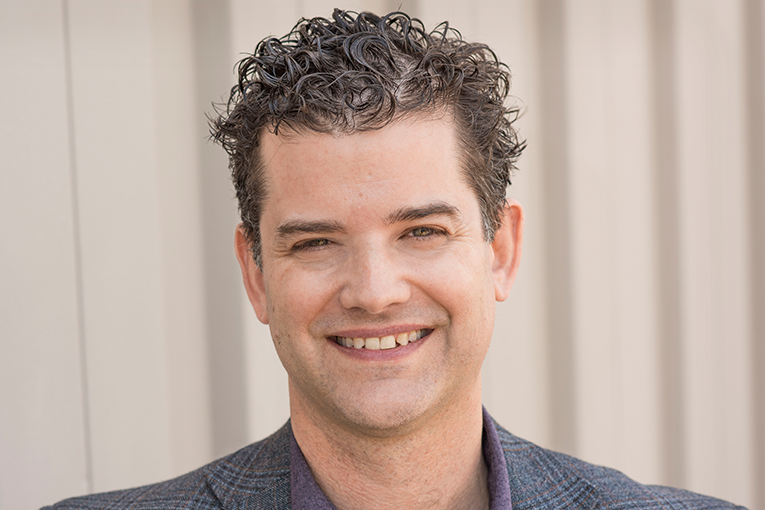
From the day I first walked into a radio station for an internship when I was 15, I’ve been hooked on this medium. I’ve viewed evolution from both sides of the fence, as a program director and air talent for two decades, and as a researcher for the past eight years. I’m fortunate to regularly watch and deeply analyze consumer perceptions and behavior on both radio projects and as the lead podcast researcher for Coleman Insights. I’ve synthesized learnings and trends we’re seeing to offer a five-step wishlist for the radio industry in 2026.
Wish #1: Embrace brand-building.
There has always been tension between brand-building and tactical strategy, and we talk about this at Coleman Insights a lot. Our president Warren Kurtzman addressed it in “Stop Chasing Meters, Build a Brand”. I wrote about it almost exactly seven years ago in “Direct Marketing is Easy. Brand Marketing is Hard.”
In the latter, I quote marketing guru Seth Godin’s line that I’ve repeated nearly as many times as I’ve watched Back To The Future (read: a ridiculous number of times):
“If you want to do brand marketing, you have to refuse to measure”.
It may seem counterintuitive in 2026, and the inclination to lean on tactical marketing like contesting is understandable. That’s not to say that tactical marketing is unimportant – quite the contrary, it can work and serves an important purpose. The problem is, when budgets are stressed, tactical often replaces brand marketing (or both get cut) and that’s a serious problem. If your brand is not top-of-mind, if listeners (or potential listeners) don’t see the brand outside of when they hear the station, they will listen less or not at all.
When you see examples of stations or personalities that were brought back with great success after format changes and departures, it is because those stations and personalities built emotional brand connections with the audience. It is not because you gave away concert tickets at 3:15 to caller 9.
Wish #2: Lean into what makes you different.
I’m stealing from myself. As I wrote in “Three Big Branding Lessons From A Small-Town Mayor,” a tagline like “Live and Local” means nothing if you don’t put in the work. Today’s consumers are overwhelmed with choice and new options of “dehumanization”. We can view this as a threat to radio or an opportunity.
Community is likely not be the reason a listener chooses your station, but it can absolutely be a differentiator and halo for your brand. Social media provides a remarkable (and free!) opportunity for stations to connect with local businesses, non-profits, schools, and other layers of community “connective tissue”.
When music went digital, vinyl zigged into tactical, ritualistic listening experiences. Local record stores are thriving. Did you know vinyl sales have grown for 18 consecutive years? I thought vinyl was “dead”.
If everyone is playing video games, why has the board game industry exploded? Face-to-face social interaction became more valuable as screens dominated. Both can grow and do.
Loneliness is at an all-time high and one of radio’s greatest strengths is community.
Curation vs. infinite choice.
Local DJs vs. algorithms.
Live events vs. on-demand.
Shared experiences vs. personalized.
When the world goes algorithmic and robotic, radio should do exactly the opposite.
Wish #3: Fight back with attribution.
I’ve sat in all the sales meetings, slinging promotional ideas left and right for clients focused on short-term tactics that they judge success by via a two-hour remote broadcast (maybe read Wish #1).
Radio sales in 2026 isn’t just a battle for dollars, it’s a battle for perception. There’s always been clients that left because you couldn’t prove that their campaign worked. Now you must deal with buyers that will never buy your station because “radio is dead”. There is a solution to confront both.
Coleman Insights’ Validate Audio Attribution offers sales teams a real-time dashboard that allows them to demonstrate listener-driven client website interactions for up to 90 days after the campaign airs. Validate is transforming the way companies like Cox Media Group and Connoisseur Media are selling.
There are implications beyond traditional ads, like the ability of non-commercial stations to track the effectiveness of sponsorships or the direct impact of promos on fundraising efforts.
Wish #4: Join the creator economy.
The Interactive Advertising Bureau (IAB) estimates that ad spend on creators in the United States will top out at $37 billion in 2025, a year-over-year increase of 26%. There are influencer marketing conferences and a burgeoning, maturing industry dedicated to matching brands with creators that understand how to sell them. It’s not just 22-year-olds making YouTube videos in their basement anymore.
If this sounds an awful lot like radio talent doing live reads/endorsements (which you already know work), it should, because it basically is in a more sophisticated way.
You should be deploying your key radio talent as local influencers because they do, in fact, influence brand affinity and consumption.
Wish #5: Strategically join the podcast party.
My friend and occasional collaborator Steve Goldstein of Amplifi Media has been rightfully chirping about the local podcast opportunity for years.
Radio stations have the facilities, talent, and connections to categorically build locally sponsored podcasts around key podcast categories. What local businesses would sponsor an Arts & Entertainment podcast? Or Government, Education, Food, Fashion, Health & Fitness, News, or Sports?
The Bottom Line
Radio’s future isn’t about competing with Spotify’s algorithm or replicating what national podcasts do. It’s about doubling down on what only radio can offer: local connection, trusted voices, and community impact.
These five wishes aren’t revolutionary—they’re clarifying. They ask us to remember why we fell in love with this medium in the first place, while acknowledging that the tools and tactics must evolve.
Brand-building takes patience. Community connection takes intention. Attribution takes investment. Creator strategies take commitment. Podcasting takes planning.
But here’s what I know after decades in this business: radio stations that lean into their local advantage, that refuse to become “just another audio option,” that build genuine emotional connections with their communities—those stations don’t just survive, they thrive.
The question isn’t whether radio has a future. It’s whether or not we build it.
What’s on your 2026 wishlist? I’d love to hear it.